Pathfinder
Pathfinder is an integrated hardware and software solution designed to enable first responders to navigate smoke-filled buildings and maintain real-time situational awareness.
My role was to design a command interface for Incident Commanders, allowing them to monitor and track firefighters operating within complex, low-visibility environments. The objective was to deliver a clear, reliable, and highly usable interface under extreme conditions where speed, clarity, and accuracy are critical.
Problem
In high-risk fire scenarios, firefighters can become disoriented or lost within buildings due to poor visibility and rapidly changing conditions. At present, Incident Commanders operating externally have limited visibility of firefighter positioning, making it difficult to coordinate rescue efforts effectively.
This lack of real-time situational awareness presents a significant operational and safety challenge.
The brief was to design an interface that would provide continuous, accurate visibility of firefighter locations and status, enabling faster decision-making and improving response coordination during emergency situations.
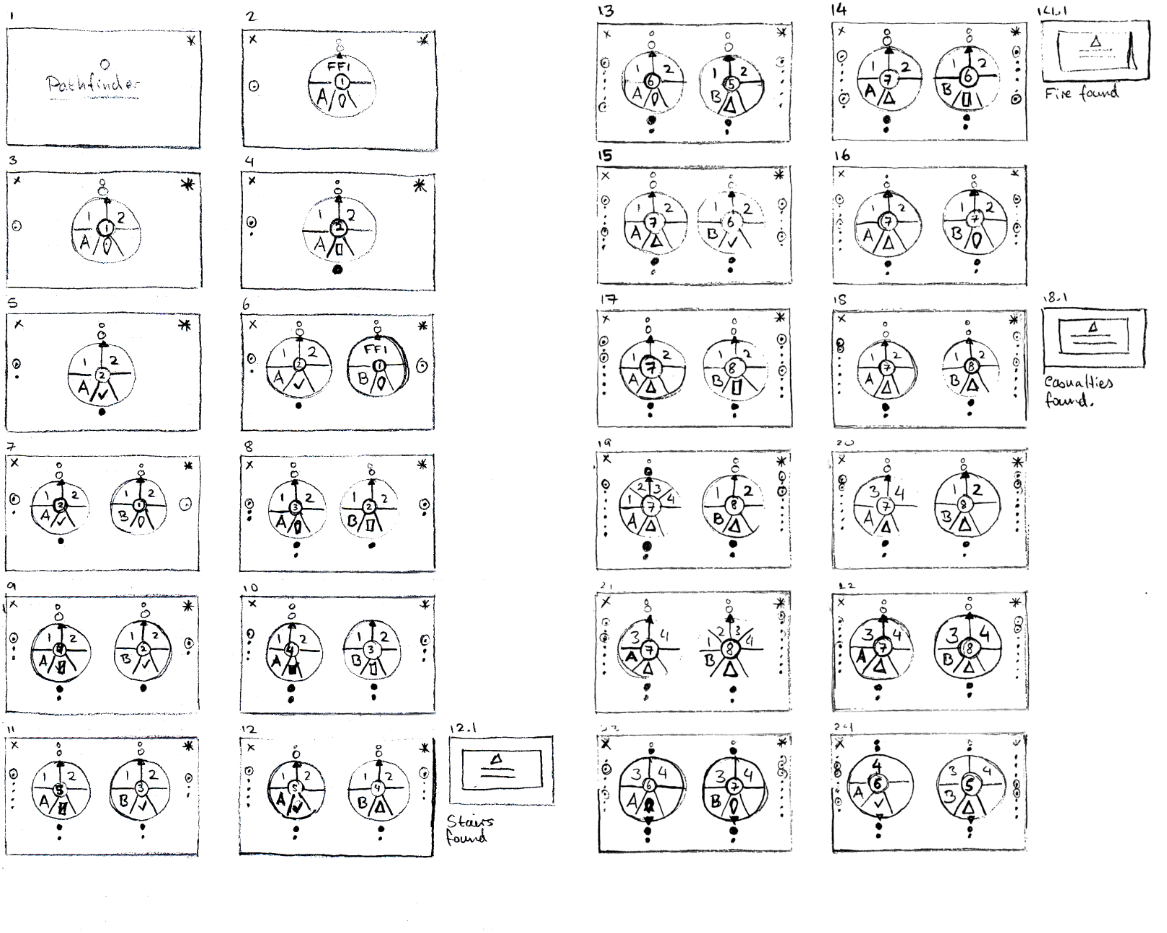
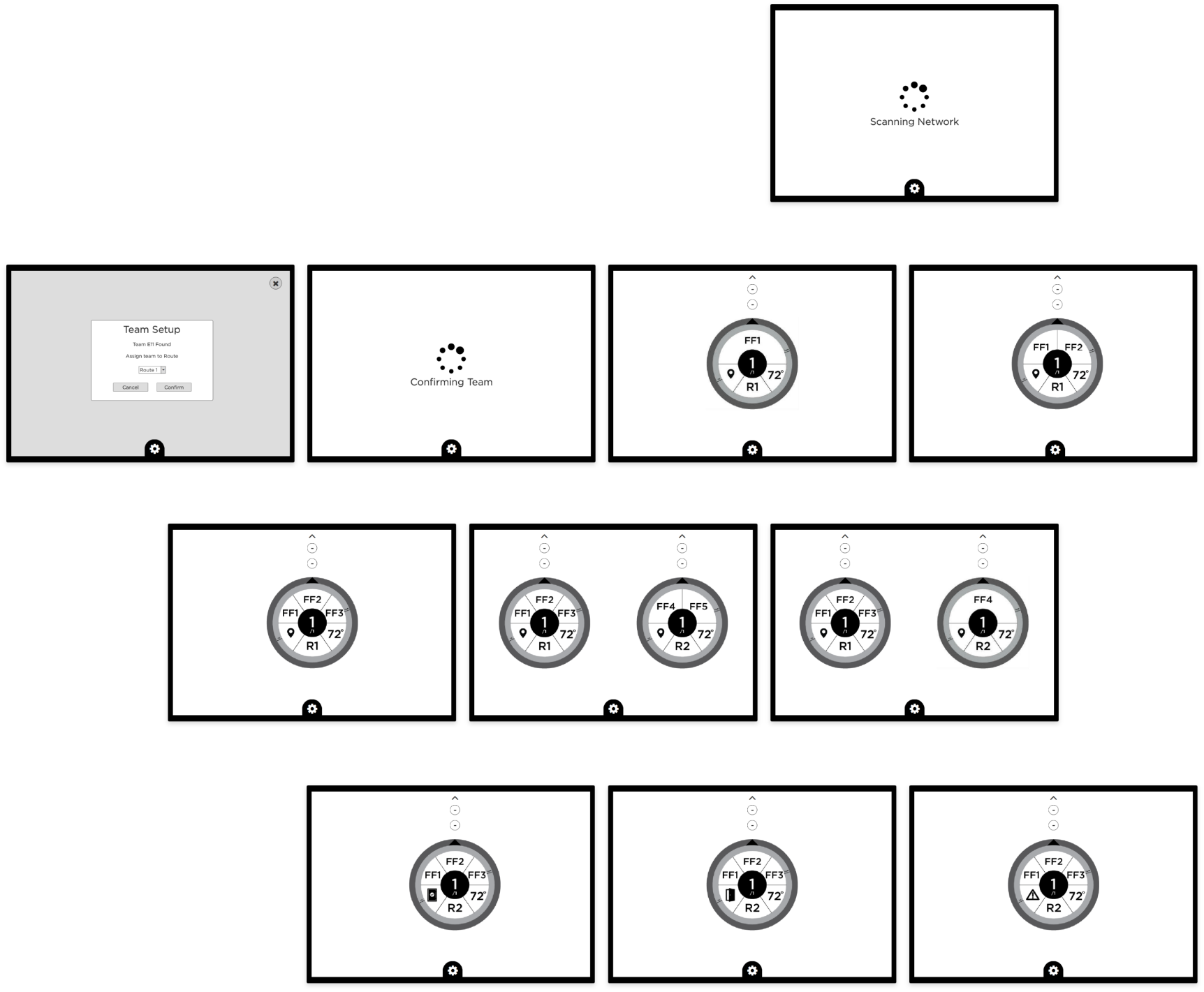

Mental Model UI
Process
Designing for such a specialist and high-pressure environment required a focused, iterative approach.
I began by rapidly exploring multiple low-fidelity concepts to capture the full range of operational requirements for the Entry Control Officer (ECO) and Incident Commander. These early explorations prioritised information hierarchy, clarity of status indicators, and ease of interaction.
Through ongoing stakeholder workshops and reviews, the feature set was progressively refined and reduced to a core set of critical data points. This ensured the interface remained focused, uncluttered, and optimised for rapid comprehension in time-sensitive scenarios.
The design evolved through multiple iterations, moving from conceptual layouts to high-fidelity interface designs, with continuous validation against real-world use cases.
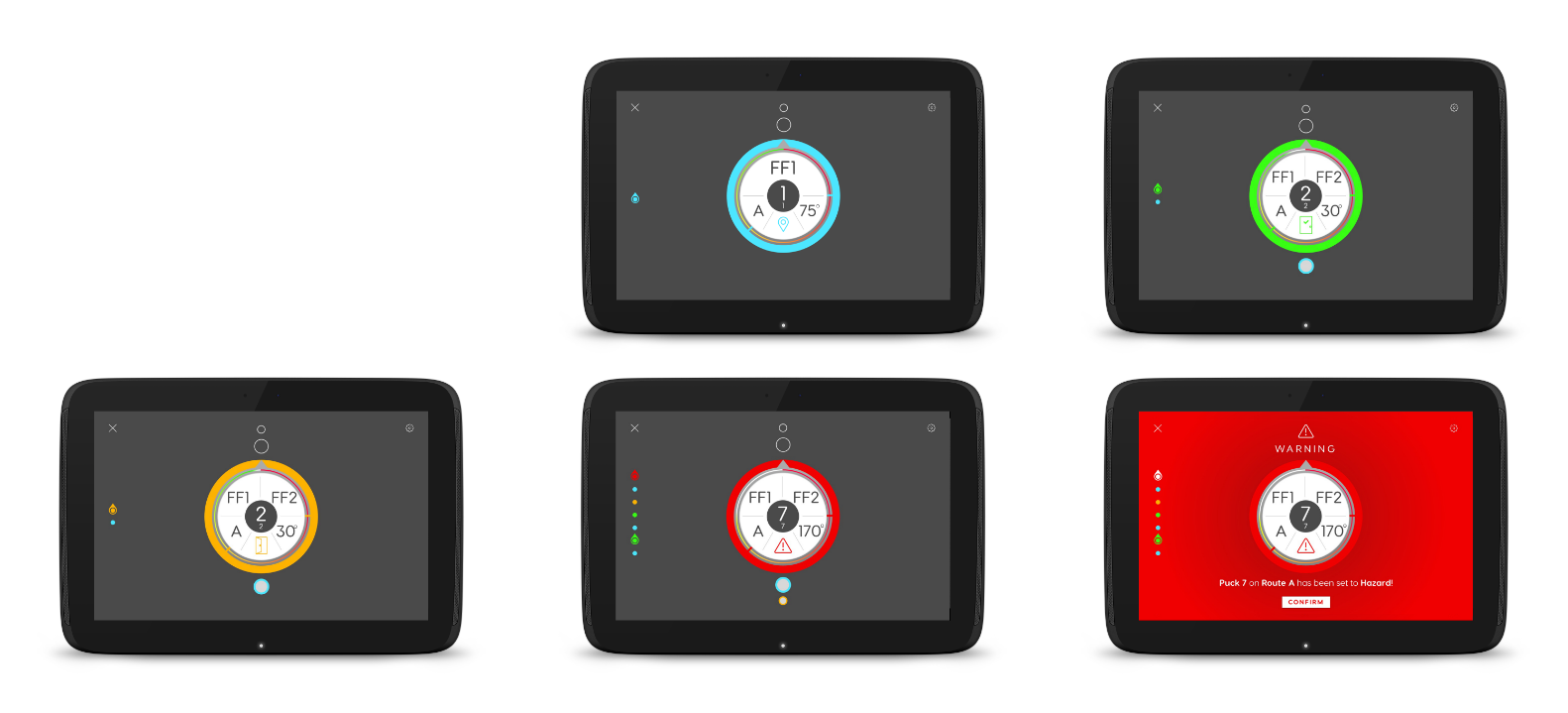
Hi-Fidelity
Research & Insight
To ground the design in real operational contexts, I conducted hands-on research within firefighter training facilities. Observing live simulations provided valuable insight into the physical, cognitive, and environmental challenges faced by firefighters.
In addition, I worked closely with a full-time firefighter embedded in the project team. This collaboration was instrumental in shaping the interaction model, ensuring the interface accounted for real behavioural patterns, stress responses, and decision-making processes under pressure.
These insights directly informed design decisions around visibility, hierarchy, and interaction simplicity.
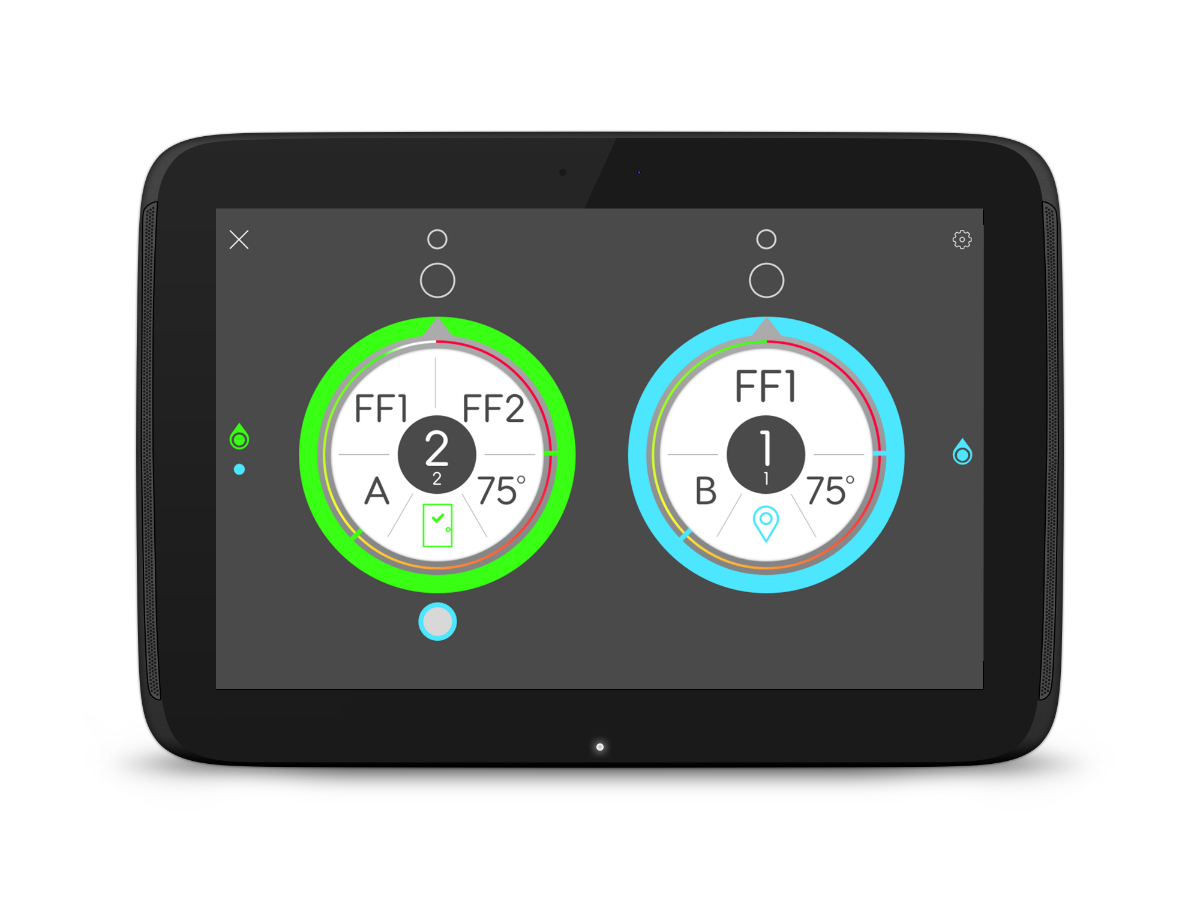
Validation & Iteration
User feedback played a critical role in refining the interface.
Initial usability sessions with target users highlighted the need for improved visibility and legibility of key interface elements, particularly icons and controls. Given the context of use, where clarity at a glance is essential, this feedback led to a redesign that prioritised larger, more prominent visual elements and simplified interactions.
Through multiple design iterations and review cycles, the interface was refined to achieve an optimal balance between information density and usability.
Website & Supporting Experience
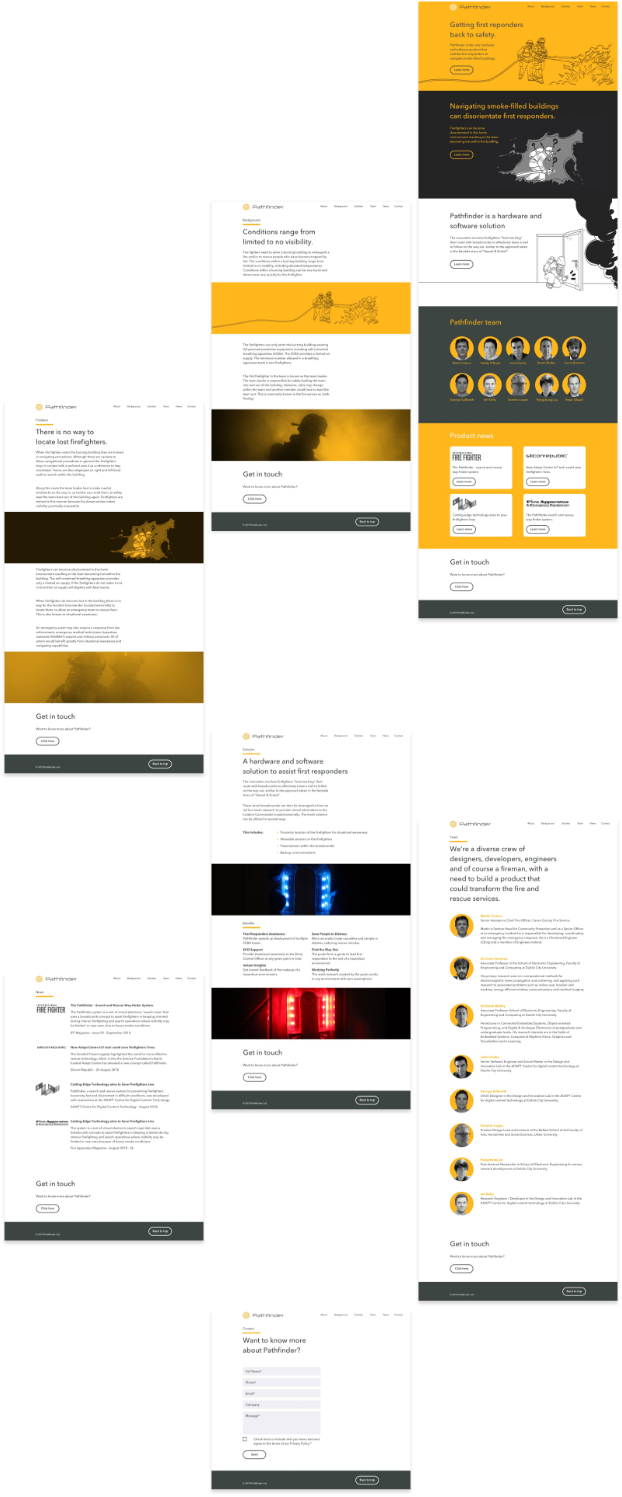
Alongside the interface design, I was responsible for designing and developing a responsive marketing website for the Pathfinder product.
This included:
Defining the site structure and key messaging
Creating wireframes and high-fidelity prototypes
Establishing and applying the product’s visual identity and brand guidelines
Following stakeholder approval, I built the site using HTML, CSS, and jQuery, ensuring consistency between the product interface and the broader brand experience.
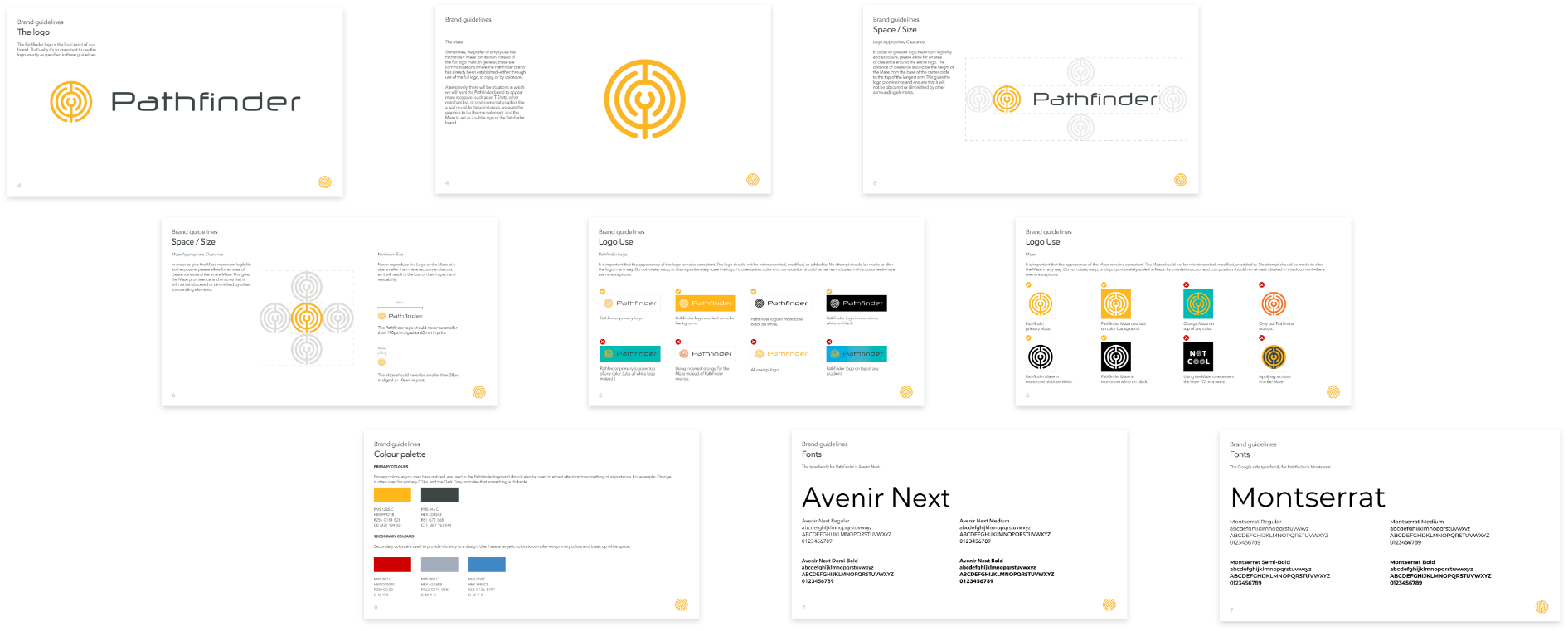
Brand Development
Conclusion
The final interface was designed in close alignment with the product’s technical capabilities and constraints, requiring continuous collaboration between design, engineering, and domain experts.
This project presented a unique opportunity to design for a high-stakes, real-world environment where usability directly impacts safety and operational effectiveness.
The result is a focused, intuitive interface that enhances situational awareness for Incident Commanders and supports more informed, timely decision-making during emergency response scenarios.
Contributing to a solution with the potential to improve firefighter safety and reduce risk in critical situations was both a challenging and deeply rewarding experience.